Why Do Leaves Change Color in Fall? The Science Behind Fall Foliage
There’s something magical about fall.
One day, the trees are covered in lush green leaves. Then, almost seemingly overnight, those same trees begin transforming into brilliant shades of yellow, orange, red and even purple.
But why do leaves change color in fall?
As a meteorologist, I’m fascinated by the connection between weather and the world around us. And when it comes to fall foliage, there’s much more happening than simply cooler temperatures and shorter days.
The changing leaves are actually the result of a fascinating combination of sunlight, temperature, moisture, chemistry and tree biology.
So, let’s take a closer look at the science behind one of nature’s most beautiful seasonal transformations—and why some autumns produce especially spectacular fall colors.
Why Are Leaves Green?
Let’s start with the basics.
During the spring and summer, leaves are busy producing food for the tree through a process called photosynthesis.
Photosynthesis uses sunlight, water and carbon dioxide to produce sugars that provide energy for the plant.
At the center of this process is a pigment called chlorophyll.
Chlorophyll absorbs sunlight—particularly in the blue and red portions of the visible light spectrum—and reflects green light back to our eyes.
That’s why leaves appear green.
As long as the tree is healthy and producing chlorophyll, the green color dominates.
But as we transition into fall, things begin to change.
Shorter Days Are the First Signal
Here’s something that may surprise you: temperature isn't the primary trigger for fall foliage.
The biggest signal is actually the amount of daylight.
As we move from summer into fall, the days become progressively shorter and the nights become longer.
Trees are able to sense these changes in the length of daylight. This triggers a series of physiological changes that prepare the tree for winter.
One of those changes is a gradual slowdown in chlorophyll production.
Eventually, the chlorophyll already present in the leaves begins to break down.
And when the green pigment fades, other shades that were there all along finally appear.
Hello, Yellow and Orange!
Those beautiful golden-yellow and orange colors aren't necessarily new.
They're often there throughout the growing season.
Leaves contain pigments called carotenoids, which produce yellow, orange and golden colors.
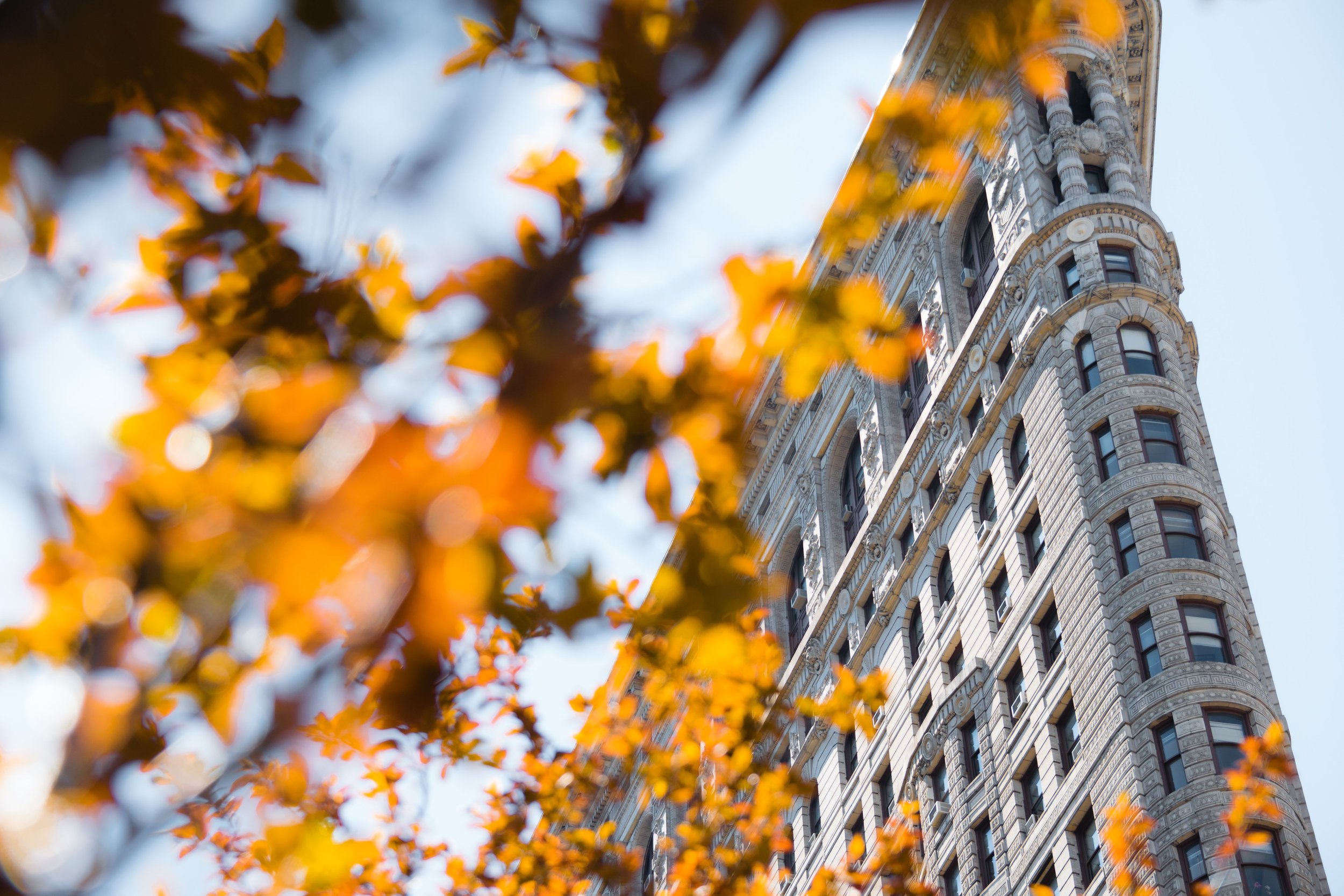
Carotenoids are also found in foods like carrots and corn.
During the summer, chlorophyll hides these colors.
But as chlorophyll breaks down in the fall, the yellow and orange pigments become more visible.

That's why a green leaf can suddenly appear bright yellow or orange. Nature has essentially been keeping them hidden in plain sight during peak summer months.
But Where Does the Red Come From?
This is where things get especially interesting.
Red and purple leaves are largely associated with pigments called anthocyanins.
Unlike carotenoids, anthocyanins aren't always present in large quantities throughout the growing season.
In some trees, they are actually produced during the fall.
And this is where weather can play an important role.
Bright, sunny days combined with cool—but not freezing—nights can help encourage anthocyanin production.
During sunny fall days, leaves continue producing sugars. As temperatures cool, the movement of sugars out of the leaves can slow down.
Some of those sugars remain trapped in the leaves and contribute to the production of anthocyanins.
The result?
Those gorgeous red, crimson and purple colors we associate with peak fall foliage.

So, Does Weather Affect the Colors?
Absolutely!
This is one of my favorite parts of the science.
While daylight length is the primary trigger, weather conditions can influence how vibrant and long-lasting the fall colors become.
Generally, the ideal recipe for brilliant foliage includes:
☀️ Sunny days
Sunlight helps promote the production of sugars and, in some species, anthocyanins.
🌙 Cool nights
Cool nighttime temperatures can help slow the movement of sugars out of the leaves and encourage red pigmentation.
💧 Adequate moisture
Trees need water throughout the growing season. Drought stress can cause leaves to change earlier than expected and may lead to a shorter or less vibrant foliage season.
🍂 Minimal extreme weather
Strong winds, heavy rain or an early freeze can cause leaves to fall before they reach their peak color.
So, when you hear someone say, "We need those cool nights for good fall color," there's actually some science behind it!
Why Do Some Trees Turn Red While Others Turn Yellow?
Like people, trees come in different shades.
Different species contain different combinations and concentrations of pigments.
Maples, for example, can produce spectacular reds and oranges, while oaks often display shades of red, brown and bronze. Birches are known for their brilliant yellow foliage.
Even trees of the same species can display somewhat different colors depending on their location and the weather conditions they experience.
That's why fall foliage can look different from one year to the next.
And Then Comes the Leaf Drop
Eventually, the tree has to let those leaves go.
As autumn progresses, specialized cells form at the base of the leaf stem. This creates what is called an abscission layer.
This layer essentially helps separate the leaf from the tree.
The tree reclaims some of the nutrients and resources from the leaves, while the weakening connection allows the leaf to eventually fall.
And just like that, the tree enters its winter dormancy.
Why Does Fall Foliage Vary From Year to Year?
Have you ever noticed that one autumn produces spectacular colors while another seems rather underwhelming?
Weather is a big reason.
Temperature, precipitation, sunlight and the timing of cold weather all play a role.
A particularly warm fall can delay the timing of color changes. An early freeze can abruptly end the show. Drought can cause leaves to brown or drop prematurely, while persistent cloudy or rainy conditions can influence how vibrant the colors become.
And, of course, the timing isn't identical everywhere.
Fall arrives gradually from north to south and from higher elevations to lower elevations as temperatures and daylight change.
That's why you may see spectacular foliage in northern New England while trees farther south are still mostly green.
Fall Foliage Is More Than Just a Pretty View
The next time you're driving through a neighborhood covered in brilliant reds, oranges and yellows, take a moment to appreciate what you're actually seeing.
You're looking at a complex biological process responding to changes in daylight, temperature, moisture and chemistry.
Those colorful leaves are essentially telling us that the trees are preparing for winter.
And as a meteorologist, I love that reminder that weather isn't just something we see on a forecast map.
Weather is constantly interacting with the world around us.
From the changing leaves to the first frost, the changing seasons are written all around us—we just have to know what to look for.
So, as you grab your pumpkin-spiced everything and pull out that favorite fall sweater, take a look around. Just remember there’s science behind every leaf. For complete fall foliage report and places you can see nice views of changing leaves, visit I Love NY.