The Atlantic Hurricane Season Is Making History and Could 2026 Break Another Record?
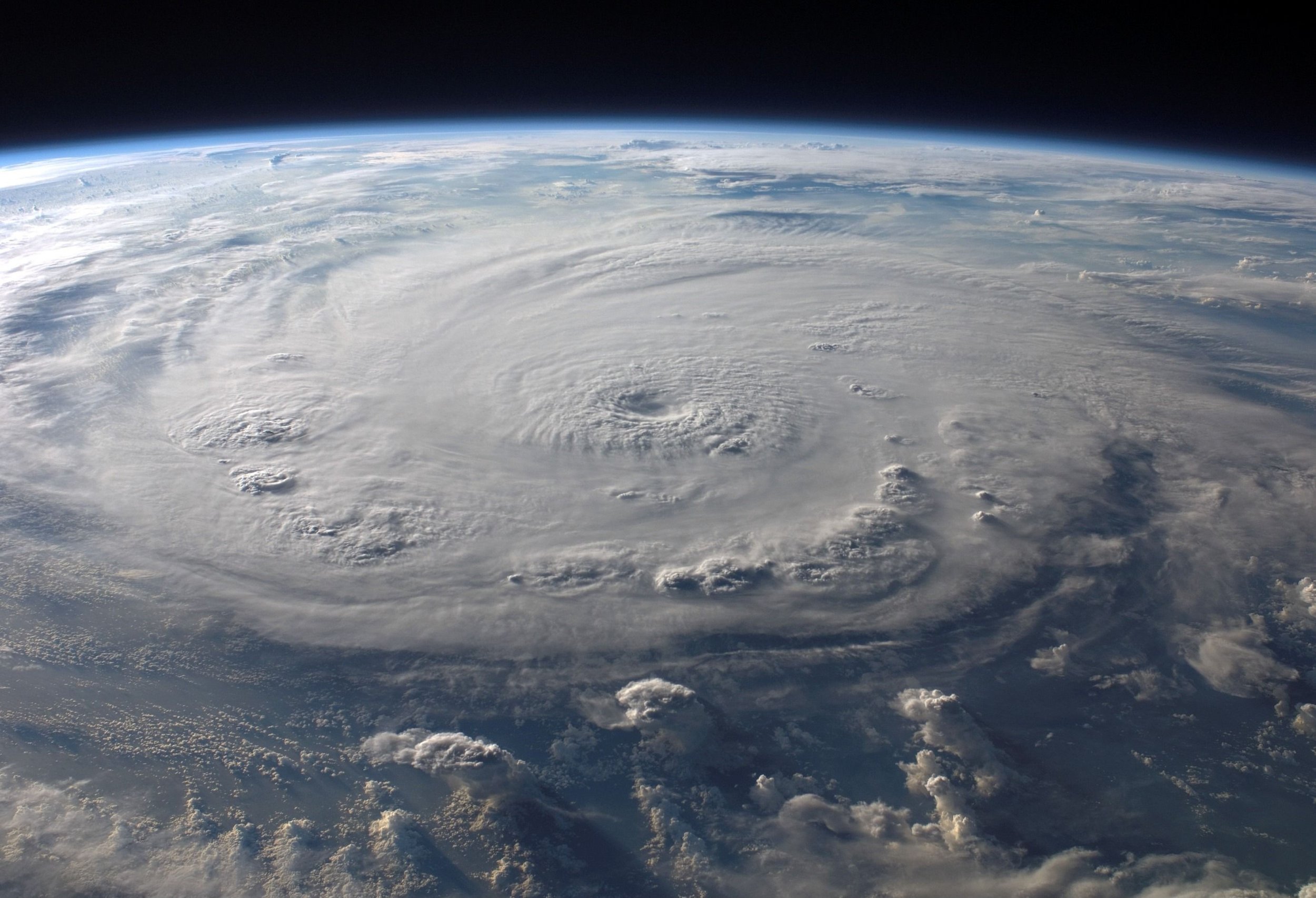
If you have been watching the tropics this hurricane season, you may have noticed something unusual.
We are now well into September, the climatological peak of Atlantic hurricane season, and the Atlantic basin still has not produced a single hurricane in 2026.
Yes, you read that correctly.
There have been tropical systems. In fact, the Atlantic has produced five named storms so far this season: Arthur, Bertha, Cristobal, Dolly and Edouard. But none of them have reached hurricane strength. The National Hurricane Center’s latest seasonal summary confirms that, as of September 17, the Atlantic had five named storms but zero hurricanes and zero major hurricanes. (National Hurricane Center)
And now, Mother Nature is flirting with another record.
We’ve Already Broken a 60-Year Record
Let’s put this into perspective.
The Atlantic hurricane season officially runs from June 1 through November 30, with the climatological peak occurring around September 10. Normally, by this point in the season, we have already seen several hurricanes.
Instead, 2026 has been remarkably quiet.
The previous satellite-era record for the latest first Atlantic hurricane was September 11, a record shared by the 2002 and 2013 seasons.
But September 11 came and went.
No hurricane.
September 12 came and went.
Still no hurricane.
That means the Atlantic has now moved beyond the 60-year satellite-era record for the latest first hurricane.
And this is where the historical weather geek in me gets really interested.
The Next Date to Watch: September 21
If you’re wondering, “Okay, Stacy-Ann, what’s the next record?”
Circle September 21 on your calendar.
The year 1941 holds the distinction of having the latest first Atlantic hurricane in the historical record, with its first hurricane reaching hurricane strength on September 21.
So, if the Atlantic remains hurricane-free through September 21, 2026, this season would move into even more extraordinary territory. (MundoNOW)
And that would put us roughly 85 years removed from the previous benchmark.
That’s pretty remarkable when you consider just how much time has passed since 1941.
Of course, there is an important meteorological footnote here.
Weather records from the early 1900s are not nearly as complete as today’s observations. We now have satellites, aircraft reconnaissance, buoys, radar, ocean observations and sophisticated computer models constantly watching the tropics.
Back then?
Not so much.
So when we talk about records from the early 20th century, meteorologists have to consider the limitations of the observing network.
What About 1907?
You may also hear 1907 mentioned in conversations about this unusual hurricane season.
That’s because 1907 and 1914 are the only Atlantic seasons in the historical record with zero recorded hurricanes. (BostonGlobe.com)
That doesn’t necessarily mean there were absolutely no hurricanes anywhere over the Atlantic in those years.
Think about it this way: imagine trying to monitor an enormous ocean today without satellites.
A hurricane could have formed far out over the Atlantic, never approached land, and dissipated without being observed.
That is why modern meteorologists are careful about comparing today’s highly observed atmosphere with the earliest portions of the historical record.
Still, the fact that 2026 is even being mentioned in the same conversation tells you just how unusual this season has been.
Tropical Systems Have Formed
Here’s another important distinction.
A quiet hurricane season doesn’t necessarily mean a quiet tropical season.
We’ve already had five named storms.
The National Hurricane Center’s records show:
Arthur — June 17–18
Bertha — July 19–23
Cristobal — August 12–13
Dolly — August 27–28
Edouard — August 31–September 2
But none were able to intensify into hurricanes. (National Hurricane Center)
And that’s really the story of 2026 so far: the Atlantic has been able to produce tropical systems, but the atmosphere hasn’t been particularly supportive of strengthening them.
So What’s Happening?
One of the biggest pieces of this puzzle is El Niño.
El Niño can increase vertical wind shear across the Atlantic basin. Strong wind shear can disrupt the thunderstorms and circulation that tropical systems need to organize and strengthen.
And this year, that hostile environment has been one of the major reasons hurricane development has struggled.
Other factors, including dry air and the overall atmospheric pattern across the Atlantic, can also make it more difficult for tropical systems to become hurricanes.
It’s almost as if the atmosphere keeps saying:
“Not today.”
A tropical disturbance develops.
It tries to organize.
The environment changes.
And the system dissipates.
That’s been the pattern.
So, What’s Next on the Hurricane Name List?
Here’s where things get interesting.
The next unused name on the official 2026 Atlantic hurricane name list is Fay.
Yep — Fay is next.
The National Hurricane Center’s official list goes:
Arthur → Bertha → Cristobal → Dolly → Edouard → Fay → Gonzalo → Hanna → Isaias… (National Hurricane Center)
So if the next Atlantic system becomes a named tropical storm, it would be Tropical Storm Fay.
But here’s the key point: a name does not mean a hurricane.
A system has to meet the criteria for a tropical storm before it receives a name, and it has to reach sustained winds of at least 74 mph to become a hurricane.
So we’re watching not just for the next named storm, but for that elusive first hurricane of 2026.
Does a Quiet Season Mean We’re Done?
Absolutely not.
And this is probably the most important takeaway.
Hurricane season doesn’t end simply because we’re breaking records.
The Atlantic season continues through November 30, and September and October can still produce tropical systems.
In fact, some seasons have gone from relatively quiet to extremely active in a surprisingly short period of time.
That’s why I always tell people: don’t let a quiet season create a false sense of security.
The atmosphere can change.
Ocean temperatures can change.
Wind shear can decrease.
And sometimes all it takes is one system finding the right combination of ingredients.
The Weather Lesson Here
As a meteorologist, one of the things I find fascinating about weather is that the atmosphere doesn’t always follow the script.
We have averages.
We have climatology.
We have computer models.
We have historical records.
But every season still gets to write its own story.
And 2026 is certainly doing that.
We’ve already watched the Atlantic break the satellite-era record for the latest first hurricane. Now we’re watching September 21, the date associated with the latest first hurricane in the pre-satellite historical record.
For now, the Atlantic remains unusually quiet. But if the atmosphere provides the right ingredients, that could change.
As always, stay tuned for updates and Stay weather aware!