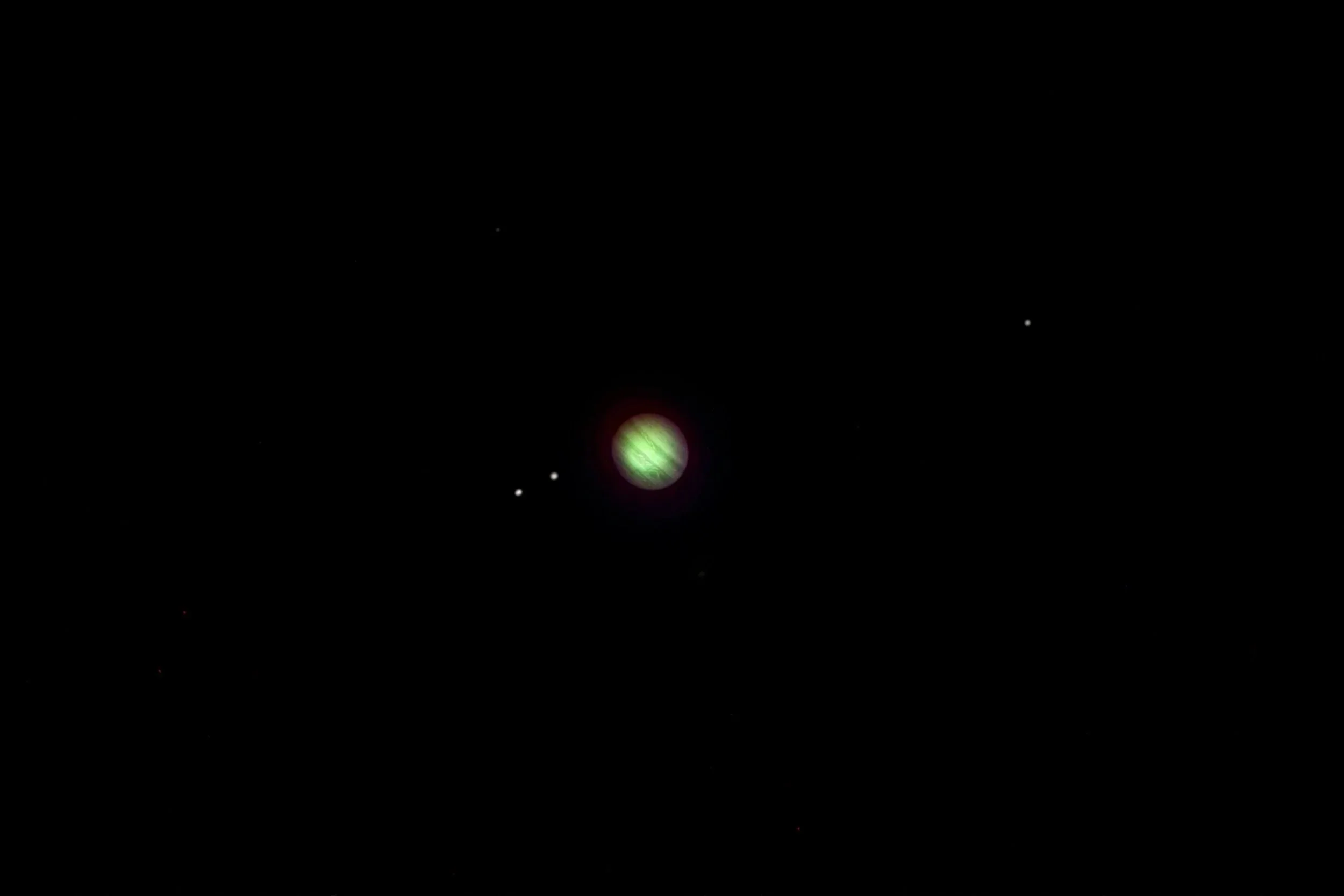
If you're looking for something fun to do this weekend, there's a celestial show worth checking out! Mars and Jupiter are putting on a planetary display in the early morning sky on Sunday, November 15, 2026.
The two planets will appear remarkably close together as Mars passes near Jupiter in what astronomers call a conjunction.
Although the planets rise just before midnight, they'll be too low on the horizon to get the best view. Instead, set your alarm and step outside during the predawn hours, particularly between 4:00 a.m. and 5:00 a.m. That's when both planets will be positioned high in the southeastern sky.
One of the things you'll notice is the beautiful contrast in color: Jupiter's bright, creamy-white glow alongside the smaller, reddish-orange appearance of Mars.
How to See the Mars and Jupiter Conjunction
The good news is you don't need special equipment to enjoy this planetary pairing. Both planets will be visible to the naked eye, weather permitting.
However, a pair of binoculars or a telescope can offer a closer look. With binoculars, you may even be able to spot some of Jupiter's four largest moons, known as the Galilean moons.
For those with a telescope and a wide-field eyepiece, there's another treat. You may be able to see Jupiter's cloud bands alongside Mars's tiny, reddish-orange disk in the same field of view.
Pro Tip: If you're photographing the planets through a telescope, a camera setup can help capture both together. Jupiter is considerably brighter than Mars, so you'll want to experiment with your exposure settings to avoid washing out the details of the fainter planet.
Leonid Meteor Shower Peaks November 17–18
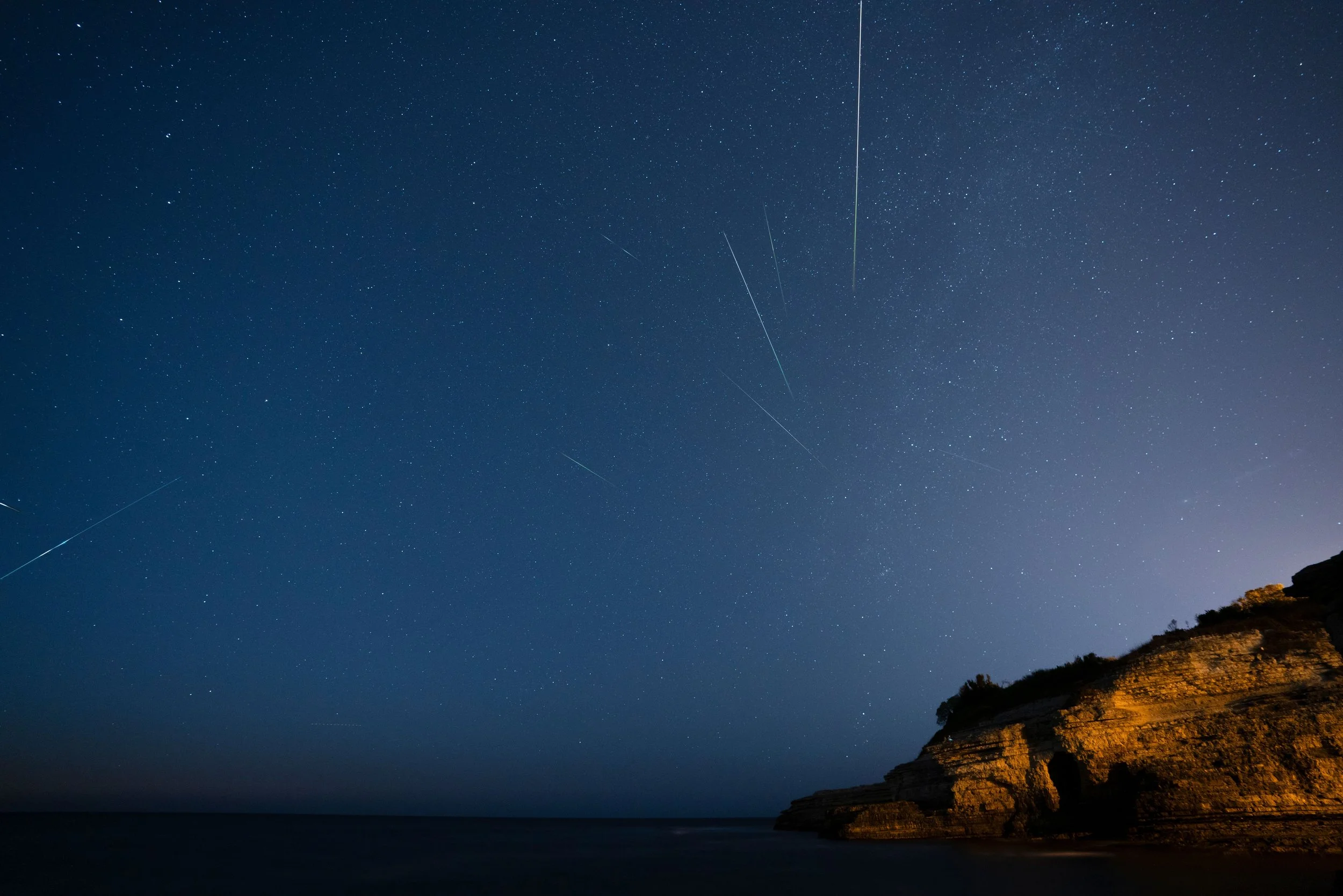
And just when you thought the night sky couldn't get any better, there's another celestial event to look forward to!
The famous Leonid meteor shower reaches its peak on the night of November 17–18, 2026. The predicted maximum is around 6:45 p.m. EST on November 17, but your best opportunity to catch these fast-moving meteors will be after midnight and before dawn on November 18.
The Leonids are known for producing bright, fast-moving meteors that can leave glowing trails across the night sky.
You won't need a telescope or binoculars to enjoy this show. In fact, your best bet is to find a dark location away from city lights, lie back in a reclining chair or on a blanket, and give your eyes time to adjust to the darkness.
Look toward the eastern sky as the constellation Leo rises. As the night progresses, the radiant point will climb higher.
Under ideal dark-sky conditions, observers can expect up to 15 meteors per hour, although actual rates will vary.
Pro Tip: Don't focus exclusively on the constellation Leo. Meteors can appear anywhere across the sky, and looking about 45 degrees away from the radiant can help you spot longer meteor trails.
An Added Bonus for Stargazers
There's another reason to keep your eyes on the sky!
Mars and Jupiter will still appear relatively close together following their November 15–16 conjunction. That means you can enjoy the planetary pairing while waiting for the next meteor to streak across the sky.
Whether you're an experienced stargazer or simply someone who enjoys looking up, November is offering some wonderful reasons to spend a little time outdoors.
So grab a blanket, find a comfortable spot, allow your eyes to adjust to the darkness and keep your eyes on the sky!
Happy stargazing!